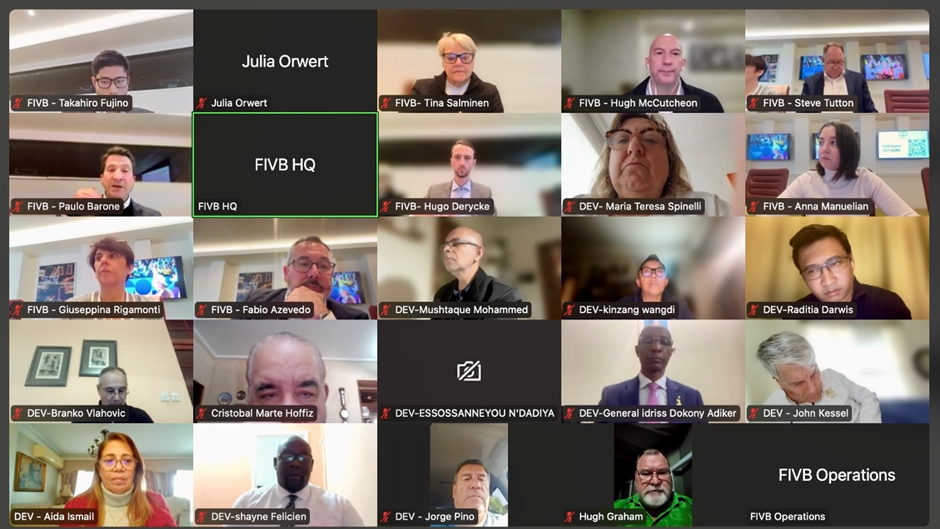
January 22, 2026.- The FIVB Development Commission held its annual meeting yesterday, bringing together members from across the globe to review a year of substantial progress in 2025 and to lay the foundations for a transformative year ahead in 2026. The meeting reaffirmed the Commission’s central role in delivering the FIVB Strategic Vision 2032, with development identified as a key driver of sustainable growth for volleyball worldwide.
Throughout 2025, the scale and reach of FIVB development activity continued to expand significantly. A total of 90 development courses were delivered across 54 organizers, engaging 2,969 participants and strengthening expertise and capacity at all levels of the sport. This progress was further reinforced by a major increase in IOC Olympic Solidarity investment into volleyball programs for the LA28 Olympic cycle (2025-2028). Funding has risen to USD 4,081,222, representing a 33 per cent increase compared to 2022. The enhanced investment is supporting coaches and athletes through a wide range of initiatives, including technical coaching courses, Olympic scholarships for coaches, national sports system development programs, team support grants and youth athlete development projects.
Beyond structured programs, the Commission reflected on the growing social and cultural impact of volleyball through innovative legacy initiatives. A standout example was the Volleyball Legacy Art Project, led by the FIVB and the FIVB Volleyball Foundation. Launched in the Philippines alongside the FIVB Men’s Volleyball World Championship – the first time the event has been hosted in Southeast Asia – the project transformed an outdoor court into a vibrant mural featuring seven of the world’s top volleyball stars. The initiative highlighted volleyball’s unique ability to connect sport, art and community, leaving a lasting legacy beyond the competition itself.
In 2025, the FIVB began transforming how it supports National Federations (NF), introducing a new categorization system built on transparency and clear, evidence-based criteria. NFs from all over the world took part in a pilot, testing the model to make sure every assessment was fair and consistent. The process not only highlighted each NFs achievements but also identified opportunities for growth. In 2026, the survey will be rolled out to all 222 NFs, opening up new opportunities to recognize progress, guide development and identify growth pathways tailored to each NFs unique goals and circumstances.
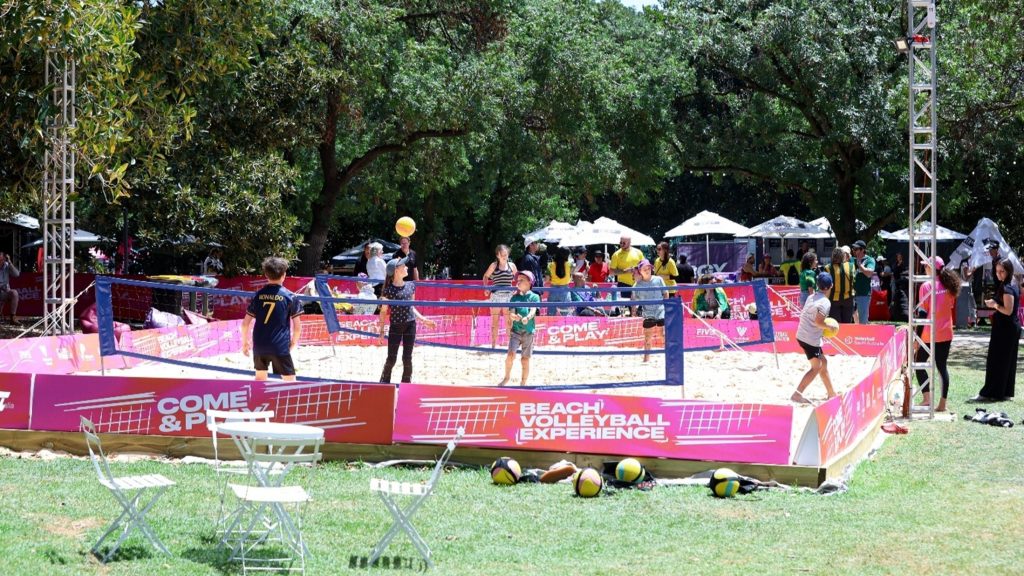
Fan engagement and event activations also remained a strong focus. Across the three senior volleyball and beach volleyball World Championships held in Thailand, the Philippines and Australia in 2025, Volleyball Experiences welcomed a combined total of 47,000 visitors, offering fans new and immersive ways to connect with the sport.
Updates were also shared on the progress of the Commission’s working groups, with a continued and strengthened emphasis on the empowerment of women coaches as a key priority for the future. In addition, the Commission reviewed partnership developments, which are further strengthening volleyball’s global impact.
During the meeting, FIVB Development Commission President Mushtaque Mohammed underlined the collective responsibility of the Commission in shaping the future of volleyball. He highlighted the impressive pace of growth over the past year and the importance of collaboration across the Global Volleyball Movement. He noted; “development is multilateral; we can definitely see that the motto Together as One is indeed being fulfilled”.
The meeting concluded with a closing address from FIVB President Fabio Azevedo, who summarized the breadth of activities, partnerships and activations delivered throughout 2025. He added; “Keep discussing, keep bringing ideas and recommendations to the leadership. This is how we move the sport forward. Thank you to each and every one of you – we truly appreciate your time, your knowledge and your commitment. We are here for you, anytime. Let’s move on, Together as One”.
 English
  Spanish